
Near Earth
Characterizing the Van Allen belts in 3-dimensions and in real time:
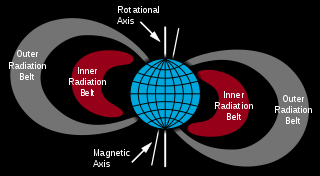
Background and Goals: As human spaceflight back to the moon and beyond becomes increasingly prevalent, spacecraft will need to monitor the Van Allen radiation belts–two donut shaped regions of radioactive particles trapped in the Earth’s electromagnetic field. Lunar or interplanetary missions may encounter radiation which could damage vital electronics systems, and even rain particles into lower regions of Earth’s gravity well and damage satellites/space stations. There may also be health hazards to astronauts. The Van Allen belt does not remain constant–rather, it fluctuates with time. Space weather events like solar flares can often cause them to expand or contract. As such, we will need real time monitoring and 3-d mapping to search for regions of relatively low radiation which would be optimal targets for spacecraft trajectories to minimize their interaction with the belts on their way out. NASA did previously have probes monitoring the inner and outer belts. However, they’ve reached the end of their mission and are currently being decommissioned. This leaves an information vacuum which must be filled as space infrastructure in the lunar and interplanetary domains increase. As the 2nd race to the moon gets closer, there will be more and more of a market for this.
Tentative Concept of Operation: As noted by NASA’s description of their mission, two probes were needed. This was because, in their own words, “While earlier missions have sent back some information about the radiation belts, the Van Allen Probes are the first to use two spacecraft in tandem. As they speed through the belts at some 2000 mph, the spacecraft will naturally pass through changing conditions. But a single moving spacecraft cannot discern whether any changes it observes are due to traveling disturbances, or if the spacecraft simply flew through two static, but differing, regions. Two spacecraft with identical instruments, however, can distinguish between these possibilities.” Each cubesat would be equipped with a Halcyon Hall Effect thruster. Also, the cubesats should observe sufficient volume of the belts to map them in three dimensions–so they should have complementary orbits that can maximize coverage. They would obviously need considerable radiation protection, without compromising the instrument’s ability to track the motions of radioactive particles.
Possible Collaborators: NASA, ESA, JAXA, ISRO, Roscosmos, government space agencies. Also, in the Private Sector: Rocketlab, The Aerospace Corporation, SpaceX; the space sector both private and public would have good reason to be interested in this.
References:
How Earth’s Outer Radiation Belts Lose Their Electrons - Eos
Cleaning Up Space Junk To Avert Kessler Syndrome
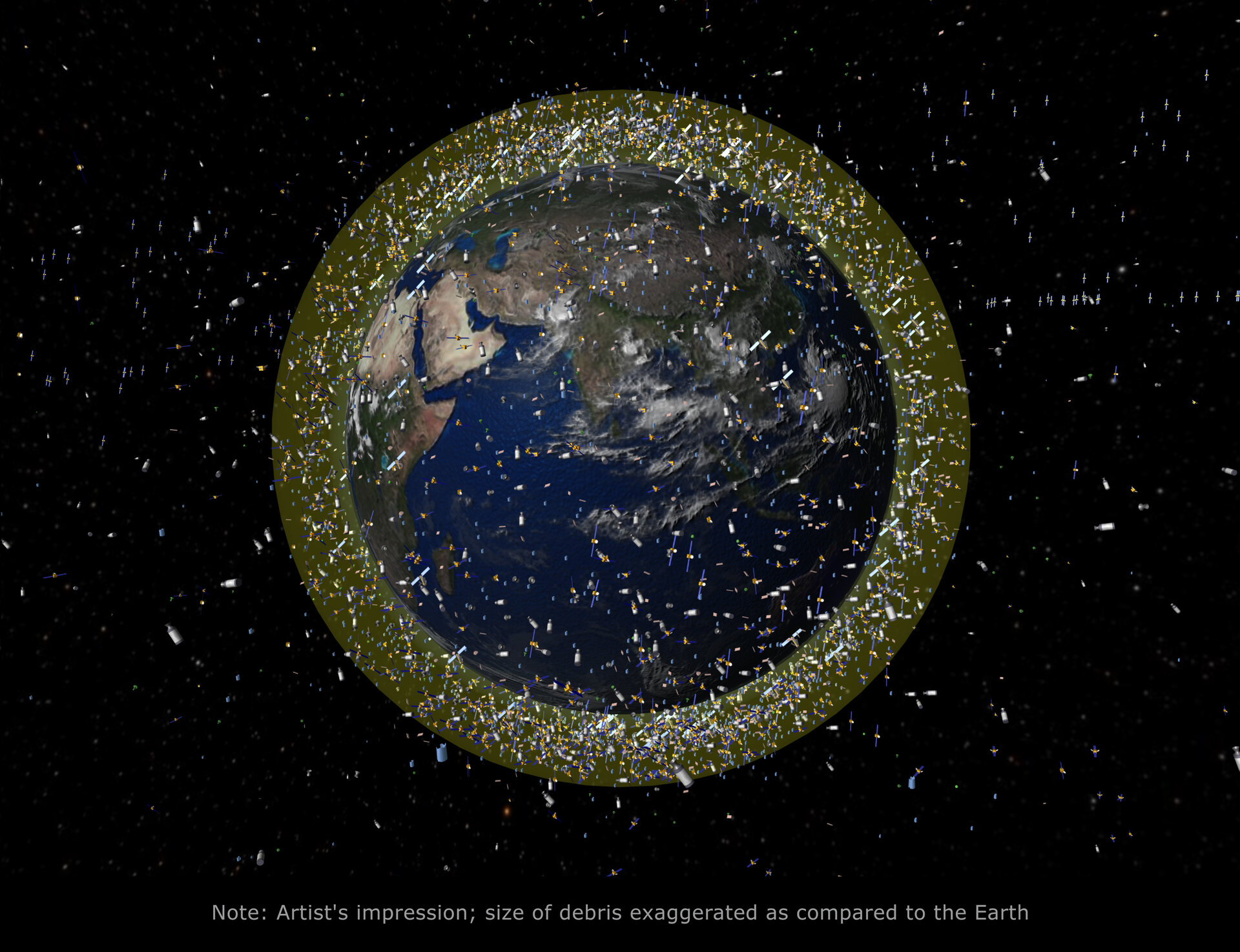
Background and Goals: The rapid proliferation of space trash poses a serious problem, potentially leading to Kessler syndrome and making access to and operation in Earth orbit increasingly hazardous. However, a new industry of space garbage collectors is quickly emerging. Another startup, Astroscale, already has over $200 million in seed money for exactly this purpose. Clearly, the space industry as a whole recognizes that we need garbage collectors to clean up the mess–given the sheer amount of debris, there will be a huge economic incentive to prevent millions of dollars in damages. In fact, this is one way that large amounts of money can be generated to fund our science missions. Of course, it’s also important to the future of humanity. And the collected space junk doesn’t have to go into a landfill–we can lead the way in recycling the materials! Thus cutting cost and environmental footprint. The defunct satellites could provide a valuable source of raw materials that can be repurposed for uses both Earthly and extraterrestrial.
Concept of Operation: Halcyon could send up small plasma propelled spacecraft carrying large nets, and send them through some of the most polluted areas in Earth’s orbit. Alternatively, we could also sell our thrusters to other companies that are already leading the way in the emerging industry of space garbage collection.
Possible Collaborators: Astroscale, Morpheus Space (two leading companies in the “space cleanup” sector).
References:
Space junk removal could become a hot new startup category (emergingtechbrew.com)
Recycling in space: wannabe or reality? – The Clean Space blog (esa.int)
Planetary Defense Monitoring of the Taurid Swarm:
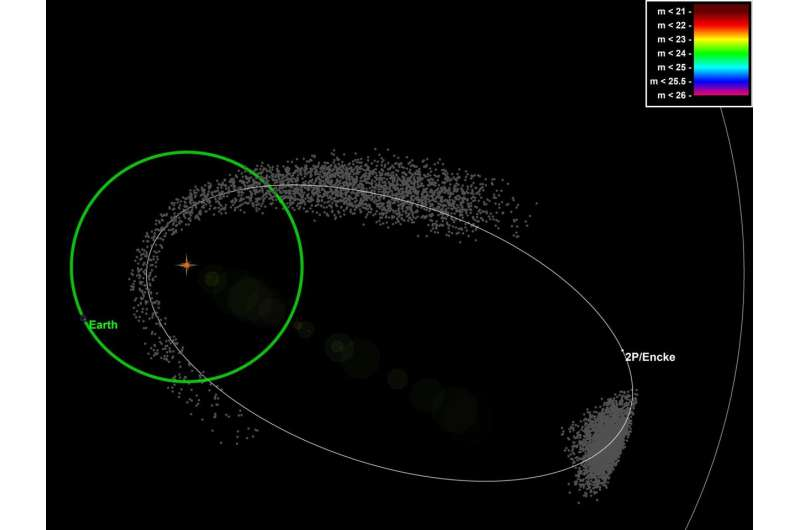
Background and Goals: Twice a year, the Earth passes through the Taurid swarms–two debris fields composed of fragments from Comet 2P/Encke. Although there is considerable effort to track NEOs (Near Earth Objects–typically asteroids) to save us from going the way of the dinosaurs, these fragments also pose a serious risk. In fact, we’ve already seen the effects–the 1908 Tunguska event was likely due to a piece of Encke slamming into Siberia–and it flattened over 80 million trees and set off a massive explosion. If such a thing were to happen in a populated region, the results could be catastrophic–and we run that risk on a biannual basis. Therefore, it’s vitally important to characterize this population in as much detail as possible. Ground based telescopes can only do so much, and are also entirely dependent on the Earth’s angle of entry through the stream (which frequently varies year to year)--which limits coverage. This is where sending a designated spacecraft to characterize the stream can potentially fulfill a vital need. By characterizing the stream, we will know how best to protect ourselves from the most dangerous fragments possibly lurking within it.
Concept of Operation: Right as the Earth enters the stream, launch the spacecraft. Since it’s being sent from the Earth right as the Earth is heading into the stream, the Earth itself will give it a little extra velocity push. Then the plasma/Hall effect thrusters can start firing, and send the spacecraft further into the stream. The spacecraft would be equipped with an active radar, and could ping the stream, sweeping out to cover its entire volume as the spacecraft passes through. It can then continue to coast in that same orbit, passing through the stream periodically and continuing to relay that radar data each time. Ideally, we would set it up such that it would re-enter the stream before the next time the Earth does–thus allowing it to effectively act as an early warning system.
Possible Collaborators: NASA, ESA, Jaxa, Roscosmos, ISRO, Planetary Society.
References: Study investigates potential risk of Taurid meteor swarm (phys.org)
Space Weather:
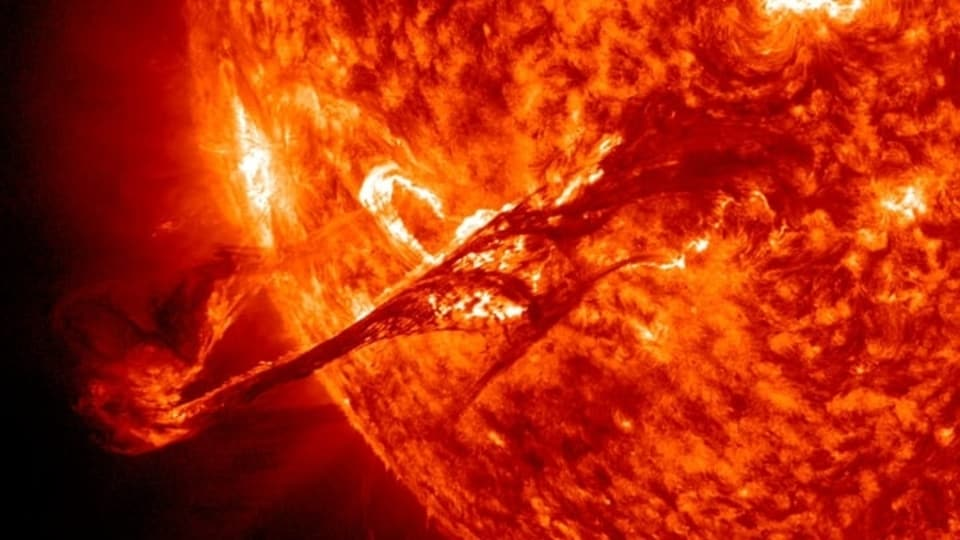
Background and Goals: Space weather is another potential sector for Halcyon. Our thruster could be mounted on satellite systems designed to monitor solar wind, flaring activity, as well as Earth’s geomagnetic systems such as the ionosphere and the aurorae. This is another niche where there’s a considerable market and a lot of practical interest.
Concept of Operation: Since this is more of a general market for us to sell to and less of a specific mission idea, this doesn’t apply yet. Specifics will emerge with time, and will be dictated by the needs of the space weather community rather than by us.
Possible Collaborators: NOAA, NASA, ESA, JAXA, Roscosmos.
References: Homepage | NOAA / NWS Space Weather Prediction Center
Characterizing the microbiome of LEO and upper atmosphere:
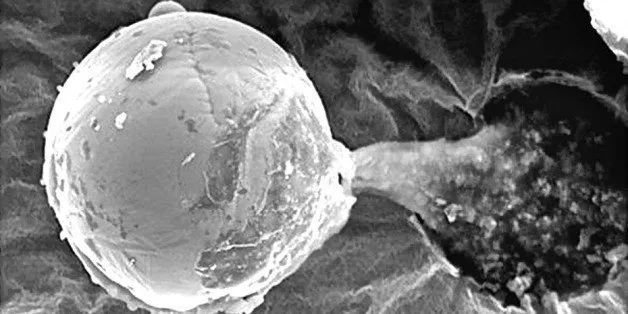
Background and Goals: A strange thing once happened aboard the ISS–sea Plankton, along with several other microorganisms, were found on one of its outer walls. The question of how the Plankton got there in the first place remains a mystery. The prevailing hypothesis is that it got carried by updrafts from the ocean all the way to the edge of the stratosphere. This isn’t the only instance of life being found above the Earth’s surface–several balloon experiments have gone to the stratosphere and found thriving microbiomes, and even characterized which species are permanent residents of the stratosphere and which are merely interlopers. Still, these studies were largely limited to balloons and therefore didn’t search further than the stratosphere. To date, no mission has ever attempted to find out if there’s a microbiome at the true edge of space, in Low Earth Orbit. Still, given what happened on the ISS and the remarkable adaptability of many microbe species to vacuum/high radiation conditions, there might be something worth investigating here. This is more than a mere sideshow curiosity–it has profound implications for the science of astrobiology. Astrobiologists frequently go to hydrothermal vents to search for ‘extremophiles’ and define the edge of habitability. There are few environments more interesting in this regard than LEO–microbial species surviving there would be the ultimate extremophiles. It also has big implications for the Panspermia hypothesis–if there is an orbital microbiome, that means that life can and likely has spread through interplanetary and possibly even interstellar space…which is very important for understanding its origin and distribution throughout the cosmos.
Concept of Operation: A sterile, clean room built sample collecting chamber would be placed aboard a cubesat and sent in Low Earth Orbit. It would have a long sample collecting period, then return to Earth for analysis. Alternatively, if we can fit a good microscope and gene sequencer onboard, the analysis could be done in situ and beamed back to Earth (this would prevent sample contamination and ensure accuracy of results, but would also add to the launch weight and cost). University teams would be ideal partners on this project. It would also serve as a testbed for our planetary protection and sterilization capabilities–it’s very important to astrobiology missions that all spacecraft be built in clean rooms, to avoid cross contamination of extraterrestrial biomes. This would be a good mission to test out and establish those capabilities.
Possible Collaborators: Blue Marble Space Institute, governmental space agencies, Universities (ASU, Penn State, Harvard, UCs etc.)
References:
Sea plankton found on the outer surface of the ISS - CNET
Loads of Microbes Found High in Atmosphere | Live Science
Ballooning experiment to study bacteria on the edge of space (phys.org)
Testing the interstellar panspermia hypothesis by searching for exoplanetary dust grains in the near Earth environment:
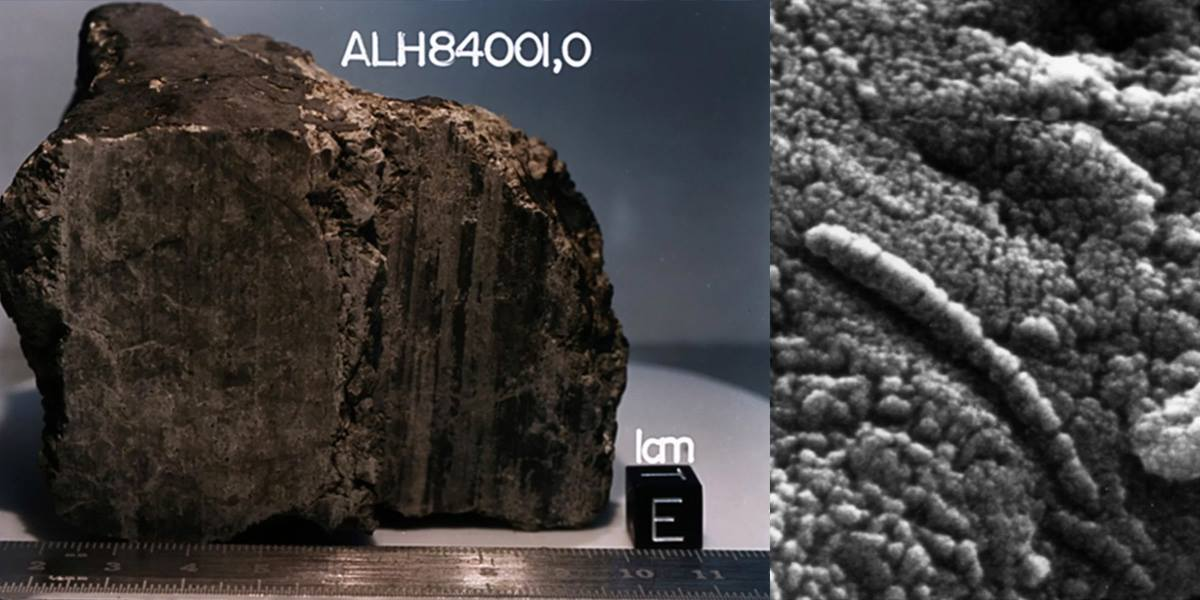
Background and Goals: In a recent paper published in the International Journal of Astrobiology, Tominori Totani argues that the Earth could be saturated with interstellar dust grains–many of which may be shrapnel scraped from asteroidal collisions with habitable exoplanets. Totani devised a mathematical framework to estimate the total volume of micron sized interstellar grains from habitable exoplanets which could be hitting the Earth–based on a numerous including the estimated number of such exoplanets, the probable rate of collisions with sufficient velocity to eject micron sized fragments from their parent solar systems, the survivability of such dust grains in interstellar space/probability of them reaching the solar system without being redirected or stopped by radiation pressure, the likelihood of gravitational capture by the sun, etc. Based on all these factors, Totani estimates that an average flux of 1.6 × 10^3 micron sized fragments of exoplanets are accreting on the Earth each year. Totani points out that since bacteria are typically around 1 micron in size, any grains that size or larger could contain biosignatures. On interstellar timescales, the microbial hitchhikers would likely be dead by the time they get here–but there might be microfossils left over in the dust, in the form of fossil structures within the grains or isotope ratios indicative of biogenic origin. With today's microscopy and chemical analysis tools, we could find them. Totani suggests that we could search for these alien microfossils in places like Antarctic permafrost or seafloor sediments, where they could be preserved over geologic timescales. However, Totani notes that these earth based searches have the problem of contamination, and the results may not be reliable.
This is where space based dust collectors would be an ideal alternative. As Totani notes, “These grains from terrestrial exoplanets can be collected by detectors placed in space, utilizing a low-density capture media like silica aerogel that enables capture of hypervelocity particles with mild deceleration and hence minimal damage to biosignatures (Westphal et al. 2014; Yamagishi et al. 2021). A very large total effective area (hopefully comparable to Earth, or ~103 km2 to expect one particle detection per year) is necessary to detect these particles, but it may be possible in the future, depending on technological developments and humanity’s advance into space. A single large detector is not necessary, but a large number of small and low-cost detectors would be more realistic.”
Concept of Operation: A swarm of robotic spacecraft equipped with aerogel collecting mats would be launched into space. To filter out solar system objects (which are often iron, and therefore magnetic), a magnetic shield could decelerate grains with insufficient velocity, therefore filtering them out from entering the sample chamber. Interstellar grains with sufficient velocity would not be decelerated to the same extent, and would enter the chamber.
Possible Collaborators: Blue Marble Space Institute, SETI Institute, Universities, NASA.
Cubesats Specially Designed to Search for UAP/UFOs (in collaboration with the Galileo Project):
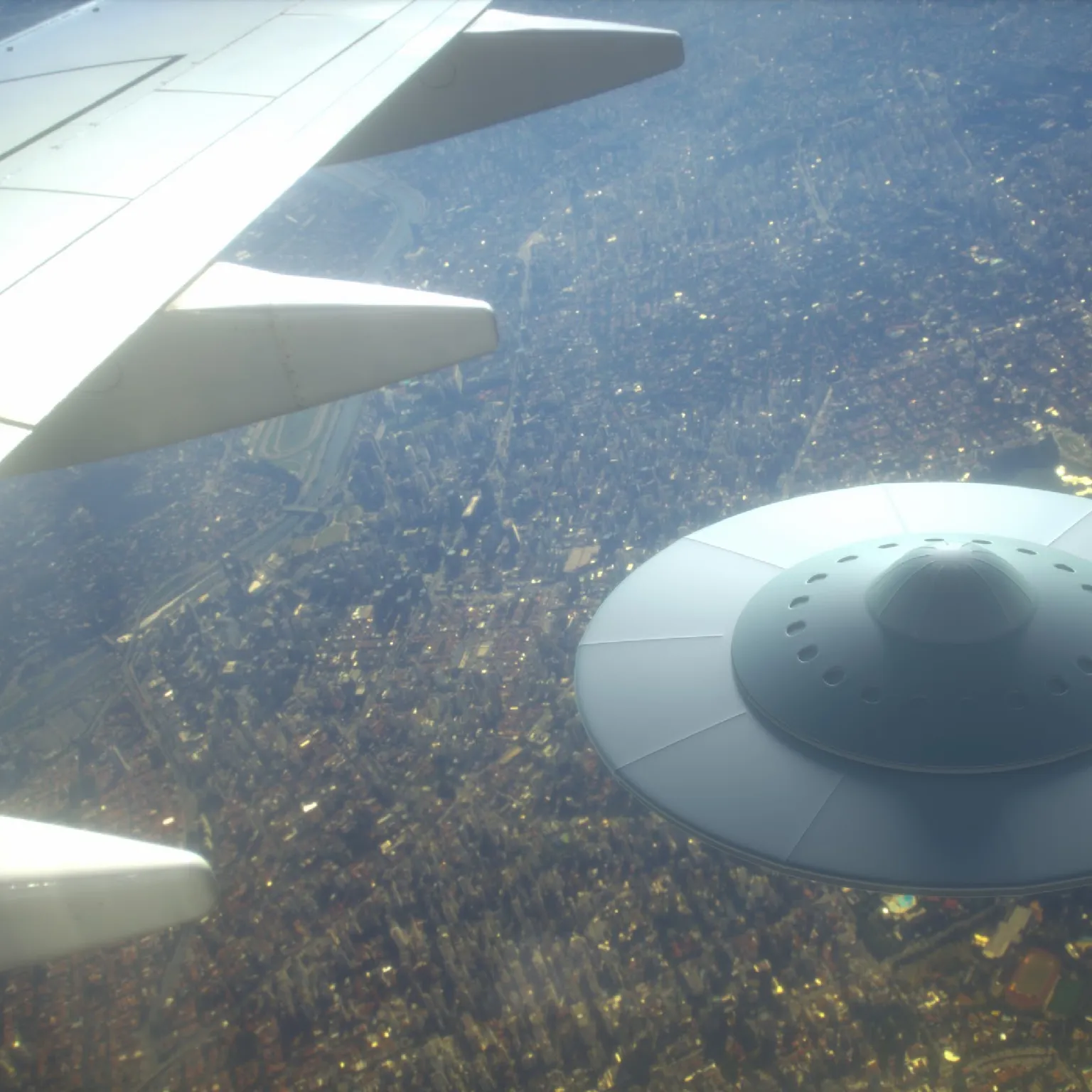
Background and Goals: The study of UAP (Unexplained Aerial Phenomena, formerly UFOs) is entering its golden age. Publicly released videos and testimony from trained observers including Navy pilots and radar operators have rapidly destigmatized this enigmatic phenomenon. The origin and nature of UAP remain unknown–however, they are of great interest to science. They may be anything from a bizarre atmospheric phenomenon, extraterrestrial spacecraft, or even evidence of completely new paradigms in physics. As such, orbital platforms can be used to survey the atmospheres for UAP, to get high quality data and learn their true nature. The Galileo Project is already attempting this, by using specialized ground based observatories to scan the skies for anomalies. Machine Learning AI can distinguish the birds, planes, drones and lenticular clouds from the truly unexplained, which then allows the observatories to hone in on potential UAP and obtain high quality images. Former head of CIA John Ratcliffe said, “When we talk about sightings, we’re talking about objects that have been seen by Navy or Air Force pilots or have been picked up by satellite imagery that frankly engage in actions that are difficult to explain.” Spurred by this allusion to UAP being tracked by satellites, the Galileo Project is also searching for images in Planet Labs satellite data. However, the Planet Labs data has its limits–with a maximum resolution of 3 meters, and only the ability to search in optical wavelengths. A dedicated Galileo Project satellite could have a much more specialized suite of instruments, delivering far more robust data than could be possible with Planet Labs satellites. They could also look not just down as planet labs satellites do, but upwards–searching for UAP beyond Earth’s atmosphere and greatly expanding the search space. Besides Galileo, there’s many other UAP related organizations who’d also be interested in this.
Concept of Operation: Cubesats can be launched to Earth orbit, with high resolution cameras to capture UAP. The cubesats could also be equipped with spectroscopes to gather data about the physical composition of the UAP, as well as cameras capable of capturing imagery in the infrared and ultraviolet. Crucially, rather than just looking down, the instruments would collect 360 degrees of data–both looking downward from the underbelly of the satellite into Earth’s atmosphere, and also looking upward into the broader realm of Earth orbit.
Possible Collaborators: The Galileo Project, Copernicus Space Corporation, UAPx, UAP Society, SCU (Scientific Coalition for UAP Studies).
References:
Pentagon Report Details ‘Difficult to Explain’ UFO Sightings (nymag.com)
Amazon Watcher Satellite.
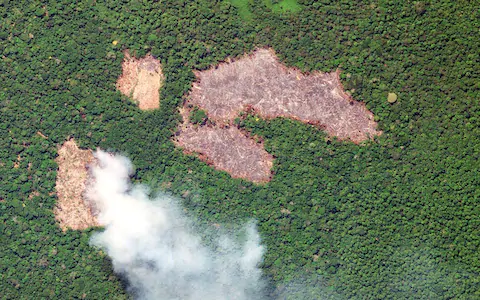
Background and Goals: Illegal gold mining practices remain an ongoing threat to the ecology and biodiversity of the Amazon rainforest–and by extension, the entire Earth’s biosphere. A reconnaissance capability to monitor the health and scale of the amazon could assess the current scale of the damage and in doing so help prevent further damage, and also aid in reforestation efforts to regrow some of what’s been lost. The overarching goals would be to raise international awareness, provide vital data to environmental scientists and conservationists, and help conservation agencies/local law enforcement bust the often illegal operations that are driving much of the ecological devastation. To optimize coverage, this would be done over several wavelengths of the electromagnetic spectrum (ie, not just visible light but also infrared).
Tentative Concept of Operation: Depending on the field of view afforded by the instruments onboard, this may be accomplished by a single multi-u cubesat, or a small fleet of several individual 1U cubesats. The cubesat(s) would have a high resolution camera, with capability to monitor in both infrared and visible light. They would be placed in a Geostationary orbit, with a Halcyon Plasma thruster onboard for stationkeeping and maneuvering–thus allowing it to either stay in one spot, or pivot to monitor another region where it may be needed. This concept could be useful not just for the amazon, but for any sensitive ecosystems where orbital monitoring can help safeguard biodiversity.
Possible Collaborators: Universities and college cubesat groups, Planet Labs, environmental 501c non profits, NASA, NOAA, environmental protection agencies (U.S. or otherwise).
References: Gold mining stunts Amazon rainforest recovery - UPI.com
Reef Watcher Satellite:
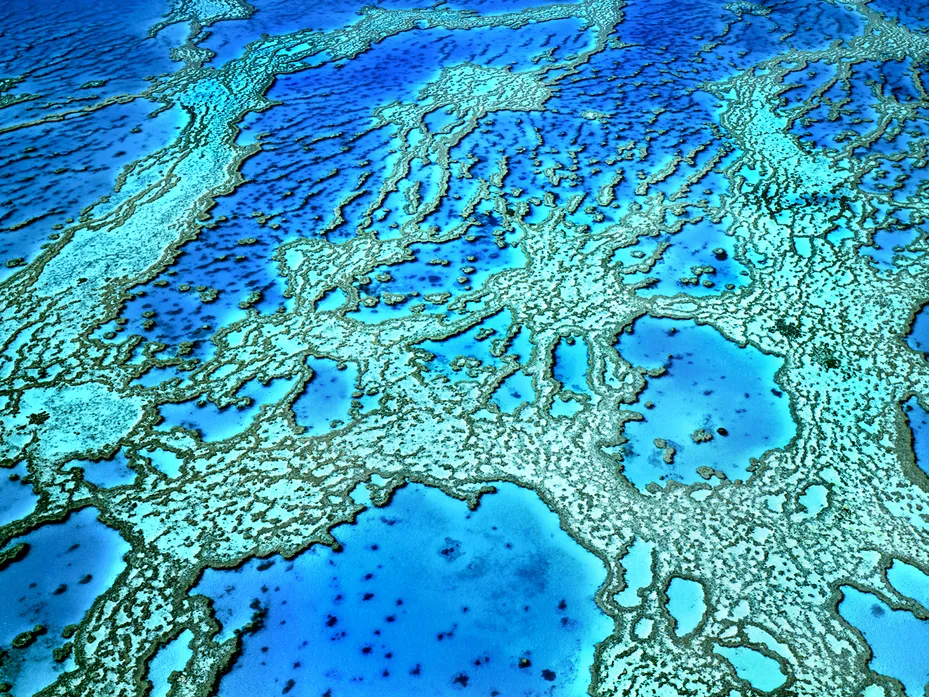
Background and Goals: The coral reefs are vitally important to the healthy functioning of Earth’s biosphere, often called “the lungs of the ocean”. They are also in rapid decline, with coral bleaching, ocean acidification and pollution threatening the survival of entire species and ecosystems. We are in danger of losing all of them. To actively conserve and restore the world’s reefs, we need to be able to monitor any changes in their state/structure in real time. For this purpose, remote sensing spectrometers are up for the task, especially ones with high spectral resolution and signal to noise ratio. This is largely because of how the water interacts with the light. For example, water will absorb red light by a certain amount…so the amount of red light can tell you the depth of the water, and therefore the depth of the reef. Much of current coral reef monitoring comes down to individual divers, though in 2015 NASA changed that by starting the CORAL program, utilizing an instrument called PRISM (Portable Remote Imaging Spectrometer), which can see in over 100 bands. The instrument was loaded into an airplane and flown over the reefs during observing periods. However, the PRISM team’s ultimate ambition was eventually to extend it to a space based platform. Even using the plane overflights, coverage is still very spatially and temporally limited–only 4 regions targeted, reaching only a tiny fraction of the world’s reefs…and limited to when they’re able to get a plane out there. CORAL is also no longer an active program…A satellite with a PRISM-like instrument onboard could seriously improve this capability. Instead of only covering a tiny fraction of the world’s reefs, it could cover a majority of them. Instead of being stuck with plane overflight times, each reef would have a daily frequency of revisits. This could dramatically increase our capacity to preserve and restore
Tentative Concept of Operation:
Possible Collaborators:
References: NASA Steps Up to Track the Shrinking of Earth’s Coral Reefs | WIRED
Rendezvous with EXOPROBES and ‘Alien Satellites’:
Background and Goals:
Concept of Operation:
Possible Collaborators:
References:
10. Interstellar Meteor Orbital Monitoring Station:
Background and Goals:
Concept of Operation:
Possible Collaborators:
References:
Lunar
11. Cubesats for multi angle imaging of lava tubes:
Background and Goals:
Concept of Operation:
Possible Collaborators:
References:
12. Halcyon’s own version of the LRO (with glass telescope unit):
Background and Goals:
Concept of Operation:
Possible Collaborators:
References:
13. Lunar Backside Radio Astronomy Swarm:
Collects data on backside, relays it on frontside. Many small dishes form an array which can accumulate into an appreciable size.
Background and Goals:
Concept of Operation:
Possible Collaborators/Customers: SETI Institute, Breakthrough Listen, PSETI Center, NASA, ESA, International Astronomical Union
Questions to Address:
References: A New Do-It-Yourself SETI Project - Sky & Telescope - Sky & Telescope (skyandtelescope.org)
Deep Space (Inner Solar System)
14. Mars: The Levin Chirality Experiment
Background and Goals:
Concept of Operation:
Possible Collaborators: Blue Marble Space Institute, Rocket Lab, SETI Institute, Breakthrough Initiatives, Copernicus Space Corporation.
References: I'm Convinced We Found Evidence of Life on Mars in the 1970s - Scientific American Blog Network
Using chirality as a biomarker for extraterrestrial life (spie.org)
15. Exploring the Venusian UV Anomaly and Phosphine Mystery
Background, Goals and Scientific Questions Addressed:
Concept of Operation:
Possible Collaborators:
References:
16. Imaging and Exploring Earth’s “Co-Orbitals”
Background, Goals and Scientific Questions Addressed:
Concept of Operation:
Possible Collaborators:
References:
Deep Space (Outer Solar System)
17. Europa Plume Sampler Biosignature Mission:
Background, Goals and Scientific Questions Addressed:
Concept of Operation:
Possible Collaborators:
References:
18. Enceladus Plume Sampler/Biosignature Mission:
Background, Goals and Scientific Questions Addressed:
Concept of Operation:
Possible Collaborators:
References:
19. Pluto Orbiter Mission to Study Possible Subsurface Ocean
Background, Goals and Scientific Questions Addressed:
Concept of Operation:
Possible Collaborators:
References:
20. Pluto Mission II.
Background, Goals and Scientific Questions Addressed:
Searching for biosignatures in Cryovolcanoes.
Concept of Operation:
Possible Collaborators:
References:
21. Intercepting Interstellar Object (1/Oumuamua?)
Background, Goals and Scientific Questions Addressed:
Concept of Operation:
Possible Collaborators:
References:
22, String of Pearls Exoplanet Imaging Mission
Background, Goals and Scientific Questions Addressed:
Concept of Operation:
Possible Collaborators:
References:
23. Searching for 9th Planet
Background, Goals and Scientific Questions Addressed:
Concept of Operation:
Possible Collaborators:
References:
24. Biosignatures in the moons of Uranus:
25. Testing the “Tribrid” System:
Background, Goals and Scientific Questions Addressed:
Concept of Operation:
Possible Collaborators:
References:
26. Dyson Harrop Station for Energy:
Background, Goals and Scientific Questions Addressed:
Concept of Operation:
Possible Collaborators:
References: